Domain poisson.de kaufen?
Wir ziehen mit dem Projekt
poisson.de um.
Sind Sie am Kauf der Domain
poisson.de interessiert?
domain@kv-gmbh.de · 0541-91531010
Domain poisson.de kaufen?
Was sind die bekanntesten monumental errichteten Bauwerke weltweit?
Die bekanntesten monumental errichteten Bauwerke weltweit sind die Pyramiden von Gizeh in Ägypten, die Chinesische Mauer in China und der Eiffelturm in Frankreich. Diese Bauwerke sind aufgrund ihrer Größe, Geschichte und kulturellen Bedeutung weltweit bekannt und ziehen jährlich Millionen von Besuchern an. Sie sind Symbole ihrer jeweiligen Länder und gehören zu den bedeutendsten architektonischen Meisterwerken der Menschheitsgeschichte. **
Gibt es einen Fisch mit Schuppen, aber ohne Flossen?
Nein, es gibt keinen Fisch mit Schuppen, aber ohne Flossen. Flossen sind ein charakteristisches Merkmal von Fischen und dienen ihnen zur Fortbewegung im Wasser. Ohne Flossen könnten Fische nicht schwimmen. **


Ähnliche Suchbegriffe für Hansebooks-Monumental-Christianity-or
Top-Angebote
Produkte zum Begriff Hansebooks-Monumental-Christianity-or:
-
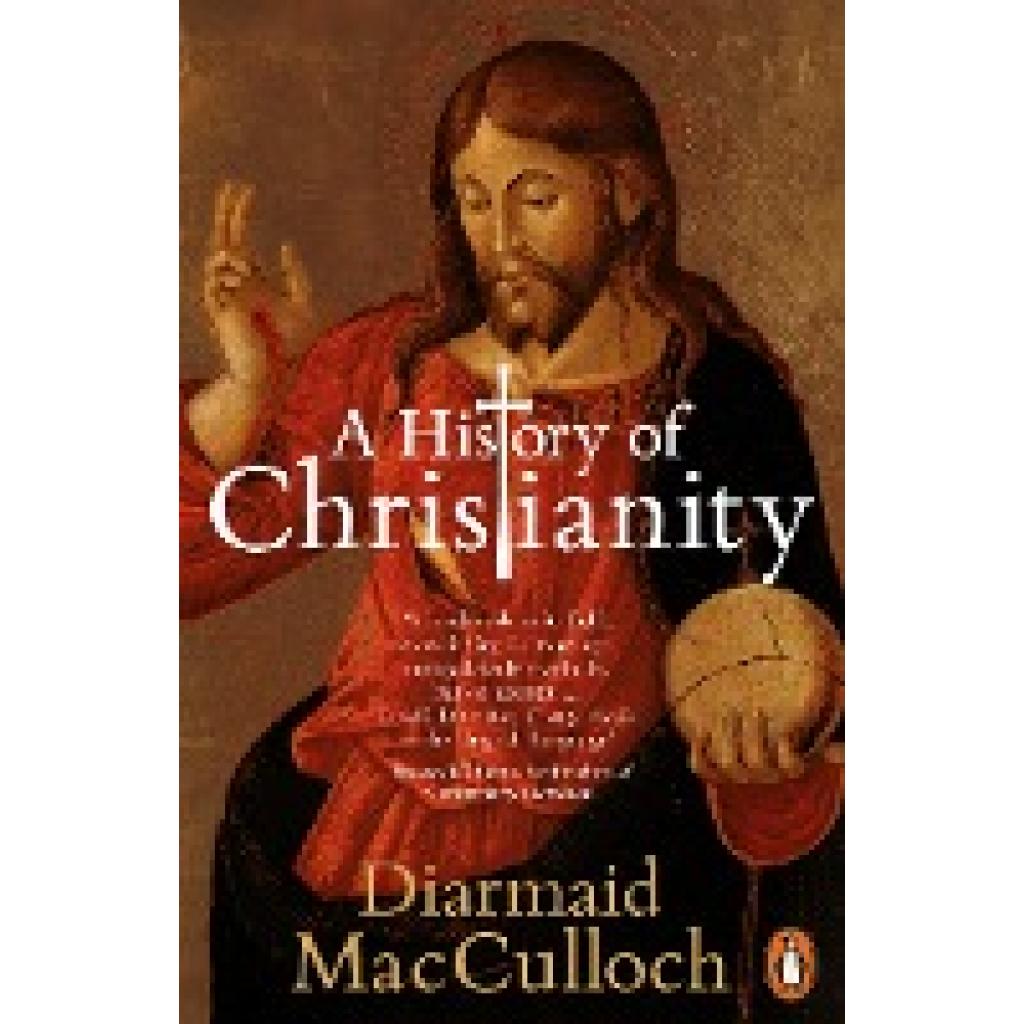
MacCulloch, Diarmaid: A History of ChristianityA History of Christianity , The First Three Thousand Years , > , Erscheinungsjahr: 20100902, Produktform: Kartoniert, Beilage: B-format paperback, Autoren: MacCulloch, Diarmaid, Seitenzahl/Blattzahl: 1216, Themenüberschrift: RELIGION / Christianity / History, Keyword: history; richard dawkins; jerusalem; simon sebag montefiore; history of christianity bbc; unapologetic; robin lane fox; religion and the decline of magic; reformation; john julius norwich; inspirational gifts; religious gifts for women; christian gifts for men; religious gifts for men; religious gifts; religious books; religion; inspirational books; christianity; christian gifts for women; christian gifts; christian gift; christian books for women; christian books; christian; church history; faith; medieval; ancient history; church; philosophy; bible; rome, Fachschema: Christentum / Geschichte~Englische Bücher / Geisteswissenschaften / Religion, Theologie, Fachkategorie: Geschichte~Christliche Kirchen, Konfessionen, Gruppen, Imprint-Titels: Penguin, Warengruppe: TB/Religion/Theologie/Christentum, Fachkategorie: Geschichte der Religion, Text Sprache: eng, Originalsprache: eng, Seitenanzahl: XXIII, Seitenanzahl: XXIII, Seitenanzahl: 1184, Seitenanzahl: 1184, UNSPSC: 49019900, Warenverzeichnis für die Außenhandelsstatistik: 49019900, Verlag: Penguin Books Ltd (UK), Verlag: Penguin Books Ltd (UK), Länge: 197, Breite: 129, Höhe: 60, Gewicht: 888, Produktform: Kartoniert, Genre: Importe, Genre: Importe, Herkunftsland: GROSSBRITANNIEN (GB), Katalog: LIB_ENBOOK, Katalog: Gesamtkatalog, Katalog: Internationale Lagertitel, Katalog: internationale Titel, Katalog: Lagerartikel, Book on Demand, ausgew. Medienartikel, Relevanz: 0006, Tendenz: -1, Unterkatalog: AK, Unterkatalog: Bücher, Unterkatalog: Lagerartikel, Unterkatalog: Taschenbuch, WolkenId: 127242221,18 €*Versand: 0,00 €Sichere Weiterleitung zum Anbieter
-
Hansebooks Mistakes of Modern Infidels or Evidences of Christianity (Englisch, Softcover, George R Northgraves) (55934500)Hansebooks Mistakes of Modern Infidels or Evidences of Christianity (Englisch, Softcover, George R Northgraves) (55934500)30,90 €*Versand: 0,00 €Sichere Weiterleitung zum Anbieter


-
Travelling or traveling?
Both "travelling" and "traveling" are correct spellings of the word, but they are used in different regions. "Travelling" is more commonly used in British English, while "traveling" is more commonly used in American English. **
-
Cake or fake?
It depends on the context. If you are asking about a choice between eating cake or something that is not real, then cake would be the preferred option. However, if you are asking about the authenticity of something, then fake would imply that it is not genuine or real. **
-
Do or does?
The choice between "do" and "does" depends on the subject of the sentence. "Do" is used with plural subjects and "does" is used with singular subjects. For example, "They do their homework" and "She does her homework." **
-
Anyway or anyways?
Both "anyway" and "anyways" are commonly used in spoken English to mean the same thing. However, "anyway" is more widely accepted and considered to be the standard form. "Anyways" is often considered to be more informal or colloquial. **

Go or goes?
The correct form would depend on the subject of the sentence. "Go" is used with the pronouns "I," "you," "we," and "they," while "goes" is used with the pronouns "he," "she," and "it." For example, "I go to the store" and "She goes to the store." **
Doesn't or don't?
The correct form to use depends on the subject of the sentence. "Doesn't" is used with singular subjects, while "don't" is used with plural subjects. For example, "He doesn't like coffee" (singular subject) and "They don't like coffee" (plural subject). **
Top-Angebote
Produkte zum Begriff Hansebooks-Monumental-Christianity-or:
-
Hansebooks Monumental Christianity or the Art and Symbolism of the Primitive Church (Englisch, Softcover, John Patterson Lundy) (57143508)Hansebooks Monumental Christianity or the Art and Symbolism of the Primitive Church (Englisch, Softcover, John Patterson Lundy) (57143508)35,90 €*Versand: 0,00 €Sichere Weiterleitung zum Anbieter
-
MacCulloch, Diarmaid: A History of ChristianityA History of Christianity , The First Three Thousand Years , > , Erscheinungsjahr: 20100902, Produktform: Kartoniert, Beilage: B-format paperback, Autoren: MacCulloch, Diarmaid, Seitenzahl/Blattzahl: 1216, Themenüberschrift: RELIGION / Christianity / History, Keyword: history; richard dawkins; jerusalem; simon sebag montefiore; history of christianity bbc; unapologetic; robin lane fox; religion and the decline of magic; reformation; john julius norwich; inspirational gifts; religious gifts for women; christian gifts for men; religious gifts for men; religious gifts; religious books; religion; inspirational books; christianity; christian gifts for women; christian gifts; christian gift; christian books for women; christian books; christian; church history; faith; medieval; ancient history; church; philosophy; bible; rome, Fachschema: Christentum / Geschichte~Englische Bücher / Geisteswissenschaften / Religion, Theologie, Fachkategorie: Geschichte~Christliche Kirchen, Konfessionen, Gruppen, Imprint-Titels: Penguin, Warengruppe: TB/Religion/Theologie/Christentum, Fachkategorie: Geschichte der Religion, Text Sprache: eng, Originalsprache: eng, Seitenanzahl: XXIII, Seitenanzahl: XXIII, Seitenanzahl: 1184, Seitenanzahl: 1184, UNSPSC: 49019900, Warenverzeichnis für die Außenhandelsstatistik: 49019900, Verlag: Penguin Books Ltd (UK), Verlag: Penguin Books Ltd (UK), Länge: 197, Breite: 129, Höhe: 60, Gewicht: 888, Produktform: Kartoniert, Genre: Importe, Genre: Importe, Herkunftsland: GROSSBRITANNIEN (GB), Katalog: LIB_ENBOOK, Katalog: Gesamtkatalog, Katalog: Internationale Lagertitel, Katalog: internationale Titel, Katalog: Lagerartikel, Book on Demand, ausgew. Medienartikel, Relevanz: 0006, Tendenz: -1, Unterkatalog: AK, Unterkatalog: Bücher, Unterkatalog: Lagerartikel, Unterkatalog: Taschenbuch, WolkenId: 127242221,18 €*Versand: 0,00 €Sichere Weiterleitung zum Anbieter
-
Was sind die bekanntesten monumental errichteten Bauwerke weltweit?
Die bekanntesten monumental errichteten Bauwerke weltweit sind die Pyramiden von Gizeh in Ägypten, die Chinesische Mauer in China und der Eiffelturm in Frankreich. Diese Bauwerke sind aufgrund ihrer Größe, Geschichte und kulturellen Bedeutung weltweit bekannt und ziehen jährlich Millionen von Besuchern an. Sie sind Symbole ihrer jeweiligen Länder und gehören zu den bedeutendsten architektonischen Meisterwerken der Menschheitsgeschichte. **
-
Gibt es einen Fisch mit Schuppen, aber ohne Flossen?
Nein, es gibt keinen Fisch mit Schuppen, aber ohne Flossen. Flossen sind ein charakteristisches Merkmal von Fischen und dienen ihnen zur Fortbewegung im Wasser. Ohne Flossen könnten Fische nicht schwimmen. **
-
Travelling or traveling?
Both "travelling" and "traveling" are correct spellings of the word, but they are used in different regions. "Travelling" is more commonly used in British English, while "traveling" is more commonly used in American English. **
-
Cake or fake?
It depends on the context. If you are asking about a choice between eating cake or something that is not real, then cake would be the preferred option. However, if you are asking about the authenticity of something, then fake would imply that it is not genuine or real. **
Ähnliche Suchbegriffe für Hansebooks-Monumental-Christianity-or
-
Hansebooks Mistakes of Modern Infidels or Evidences of Christianity (Englisch, Softcover, George R Northgraves) (55934500)Hansebooks Mistakes of Modern Infidels or Evidences of Christianity (Englisch, Softcover, George R Northgraves) (55934500)30,90 €*Versand: 0,00 €Sichere Weiterleitung zum Anbieter
-
Hansebooks The Esoteric Basis of Christianity, or, Theosophy and Christian Doctrine (Englisch, Softcover, William Kingsland) (55876686)Hansebooks The Esoteric Basis of Christianity, or, Theosophy and Christian Doctrine (Englisch, Softcover, William Kingsland) (55876686)12,90 €*Versand: 0,00 €Sichere Weiterleitung zum Anbieter
-
Do or does?
The choice between "do" and "does" depends on the subject of the sentence. "Do" is used with plural subjects and "does" is used with singular subjects. For example, "They do their homework" and "She does her homework." **
-
Anyway or anyways?
Both "anyway" and "anyways" are commonly used in spoken English to mean the same thing. However, "anyway" is more widely accepted and considered to be the standard form. "Anyways" is often considered to be more informal or colloquial. **
-
Go or goes?
The correct form would depend on the subject of the sentence. "Go" is used with the pronouns "I," "you," "we," and "they," while "goes" is used with the pronouns "he," "she," and "it." For example, "I go to the store" and "She goes to the store." **
-
Doesn't or don't?
The correct form to use depends on the subject of the sentence. "Doesn't" is used with singular subjects, while "don't" is used with plural subjects. For example, "He doesn't like coffee" (singular subject) and "They don't like coffee" (plural subject). **
* Alle Preise verstehen sich inklusive der gesetzlichen Mehrwertsteuer und ggf. zuzüglich Versandkosten. Die Angebotsinformationen basieren auf den Angaben des jeweiligen Shops und werden über automatisierte Prozesse aktualisiert. Eine Aktualisierung in Echtzeit findet nicht statt, so dass es im Einzelfall zu Abweichungen kommen kann. ** Hinweis: Teile dieses Inhalts wurden von KI erstellt.